Cut & mechanical protection
Pushing the boundaries of protection
Patented Kevlar® engineered yarns combine cut-resistant soft-spun Kevlar® materials, high-strength inorganic yarns and elastic stretch-core yarns to deliver the best balance of protection and comfort.
Only gloves made with Kevlar® engineered yarns are able to increase the level of protection—without adding bulk—providing enhanced breathability to increase comfort. This technology provides users the comfort and dexterity to make doing their job easier and the superior cut protection to do their job confidently.
Fetaured gloves made with Kevlar®
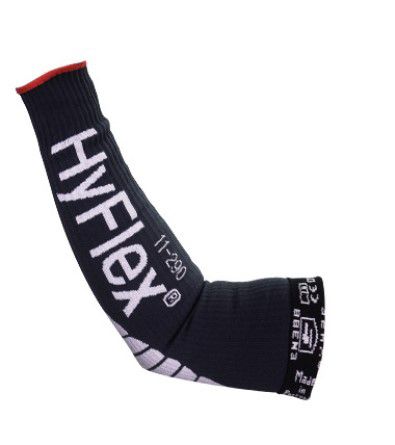
Ansell HyFlex® 11-290 with INTERCEPT™
Ansell HyFlex® 11-290 with INTERCEPT™ Technology and Kevlar® Comfort Engineered Yarn, this comfortable sleeve features an ergonomic design with ANSI/ISEA 105-16 A5 cut protection. Nine compression zones regulate pressure levels to enhance blood circulation and stabilize arm muscles, aiding in the prevention of injuries. Its ergonomic design makes for a perfect fit, and breathable material improves comfort throughout the day. Strong thermo-resistant fibers protect users against heat up to 100C/212F (EN407 contact heat protection level 1). Additionally, an integrated elbow pad protects against impact and extends the longevity of the product.
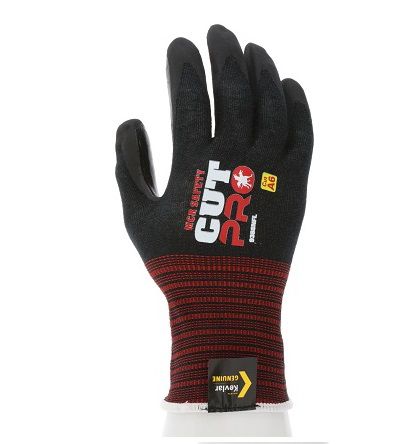
MCR Safety – 9388NF
An 18-gauge glove with an ANSI cut level of A6 made with Kevlar® engineered yarn and steel. It features a comfortable fine-knit material and reinforced thumb crotch dip for fine motor skills to be easily conducted without sacrificing protection.
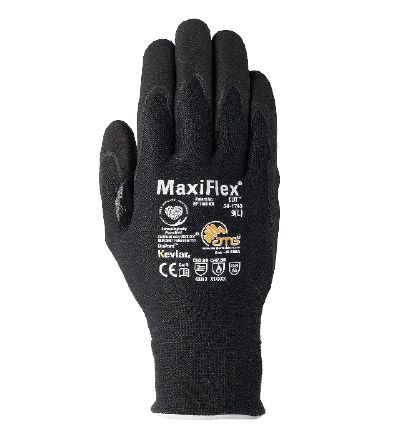
ATG® Gloves – MaxiFlex® Cut™
Kevlar®-lined gloves with an ANSI cut level of A4 that include ATG’s AIRtech® technology for 360° breathability and ATG’s DURAtech® coating that provides 18,000 abrasive cycles per mm.
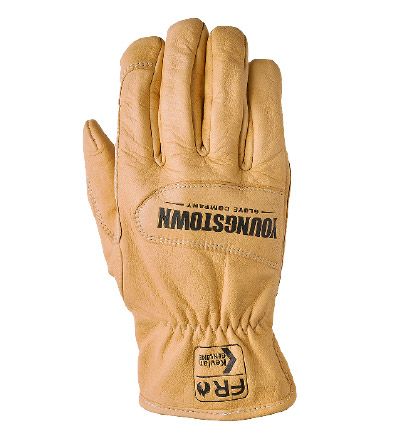
Youngstown FR Ground Glove lined with Kevlar®
Lined with 100% Kevlar® for improved cut, puncture and flame resistance with increased arc ratings. The Kevlar® fiber is sewn directly into the leather for a non-slip liner.
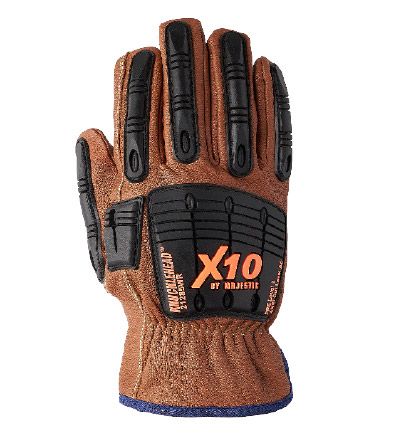
Majestic 21285WR
A soft and durable goatskin glove lined with Kevlar® that achieves a level 3 arc resistance and an ANSI cut level of A4 that’s impact, water and oil resistant.
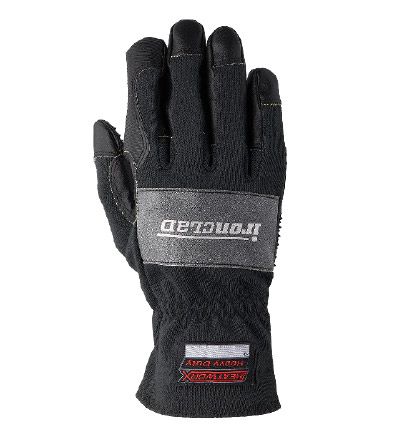
Ironclad Heatworx® Heavy Duty HW6X
A silicone-laminated shell lined with Kevlar® provides extreme heat protection that’s designed to withstand up to 600° F while being highly dexterous and comfortable for wearers.
Innovation is our common thread
The DuPont™ Kevlar® Innovation Award recognizes excellence in innovation and design of protective gloves made with Kevlar® and gives innovators the opportunity to showcase the incredible ways they use Kevlar® to make our world a safer place.
More protection from more hazards
From automotive and industrial manufacturing to oil and gas and utilities, Kevlar® is used to enhance protection in a range of applications across multiple industries.
Kevlar® is constantly driving innovations in mechanical and thermal protection that continue to revolutionize PPE for hand protection. Advancements made with patented Kevlar® engineered yarns are redefining the possibilities for protection against multiple workplace hazards.

ABRASION

CUT

ELECTRIC ARC

FLAME

GRIP

HIGH HEAT

PUNCTURE

WELDING
(SPARKS/SLAG)
The new look of perfection
Kevlar® is available in a variety of colors—giving you even more options.
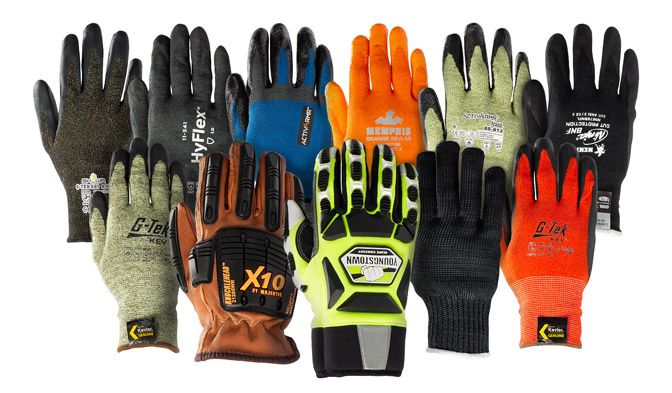
Kevlar® Engineered Yarns
The patented technology of Kevlar® engineered yarns delivers next-generation performance, protection and comfort.
Cut standards
The revised standard have improved transparency around cut performance so you can make a more informed decision about the right glove for your application.
Kevlar® technical videos
See why DuPont™ Kevlar® is the ideal choice for applications requiring cut and heat, due to its ability to withstand extreme temperatures and conditions.