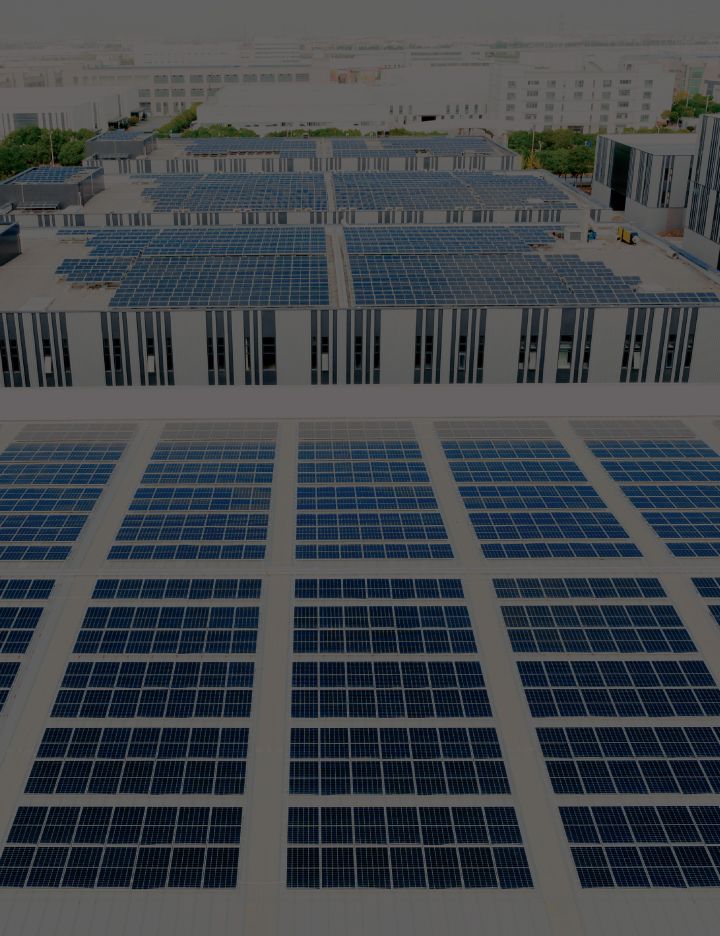

Our sustainability efforts center on developing materials that protect surfaces, extend product life, and support responsible manufacturing.
Through durable films and ongoing material innovation, Tedlar® solutions help customers reduce maintenance, enable new technologies, and design products to perform over time—supporting longer product life cycles and reducing the environmental impact associated with repair and replacement.
Designed for Long-Term Protection
Tedlar® film is used across industries where surfaces must withstand demanding environments over long service lives. By helping products resist weathering, chemicals, and wear, Tedlar® materials support designs that maintain performance and appearance over time, helping extend product life cycles and reduce maintenance requirements. This contributes to end-use products with a high carbon handprint (long service life) and lower waste over a product’s lifecycle.
Non-PFAS
Tedlar® film is a non-PFAS material, providing high-performance surface protection without the use of per- and polyfluoroalkyl substances.
The PVF film delivers long-term resistance to chemicals, weathering, and wear—helping products maintain performance and appearance for years while supporting evolving material requirements.

Clean Energy Enablement
Tedlar® materials help support clean energy technologies, including wind turbines, solar panels, and emerging systems used to produce green hydrogen like proton exchange membrane (PEM) electrolyzers. The strong chemical resistance, durability, and environmental compliance of Tedlar® film helps enable reliable components for systems designed to support a lower-carbon-energy future.
Renewable Manufacturing
Tedlar® manufacturing operations are powered by 100% renewable electricity—supporting lower-carbon manufacturing while maintaining the consistent quality required for high-performance film production. This switch results in a 40% reduction in market-based Scope 2 greenhouse gas emissions related to grid electricity versus 2019 baseline.
This milestone reflects the DuPont commitment to renewable energy adoption and supports the company’s 2030 Sustainability Goals and ambition to achieve net-zero carbon emissions by 2050.
Scrap Recycling
Tedlar® manufacturing teams continue to expand the use of recycled production material in developing our films.
Since 2023, the use of recycled film flake in Tedlar® products has tripled, growing from less than 45,000 kg to more than 133,000 kg in 2025. Reusing this material helps reduce the need for new PVF while lowering hazardous waste from production.
Discover more about sustainability commitments and progress at DuPont.
Case Studies & Related Content