DuPont™ Tychem®—Protecting industrial workers for 30 Years
For protection against chemical hazards, industrial workers choose DuPont™ Tychem® garments.
Every day, thousands of industrial workers suit up in our garments, so we make sure that our Tychem® chemical protective clothing goes through rigorous performance testing. Tychem® fabrics have been tested by third-party labs for permeation against hundreds of chemicals and at various concentrations. The result is a comprehensive database of thousands of chemical permeation results, including toxic liquids, gases, warfare agents and the ASTM F1001 standard list of challenge chemicals. No matter what the challenge, we believe you shouldn’t have to compromise on protection. Join thousands of wearers worldwide and give Tychem® a try. Please visit our free online SafeSPEC™ selector tool to determine the most appropriate protection based on your hazard risk assessment.
<strong>Tychem® is available in the following garment families:</strong>
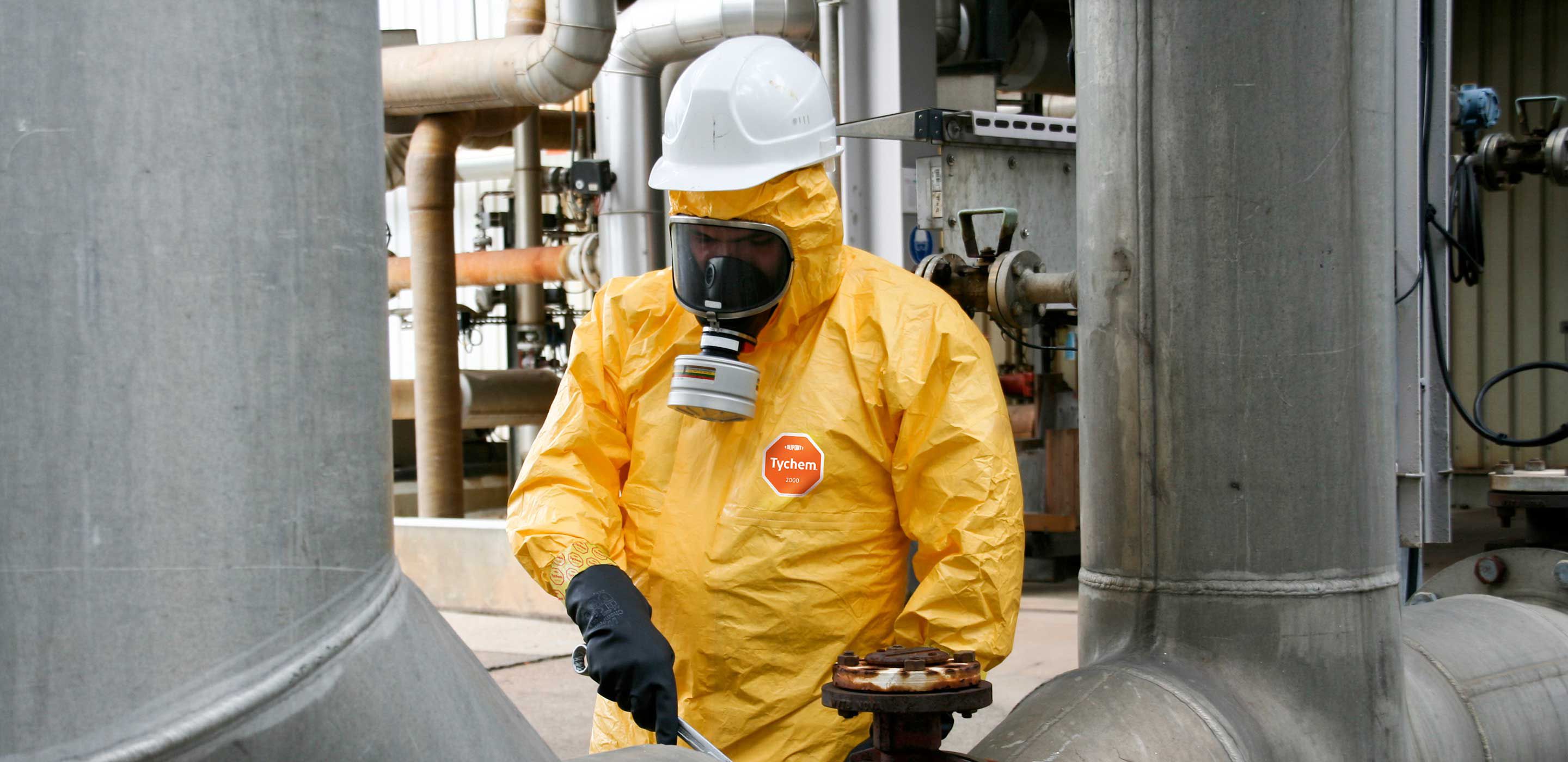
Tychem® 2000 is used for light splash protection in a variety of industrial environments, including petroleum refining, pulp and paper manufacturing, food processing, chemical processing, and pharmaceutical manufacturing.
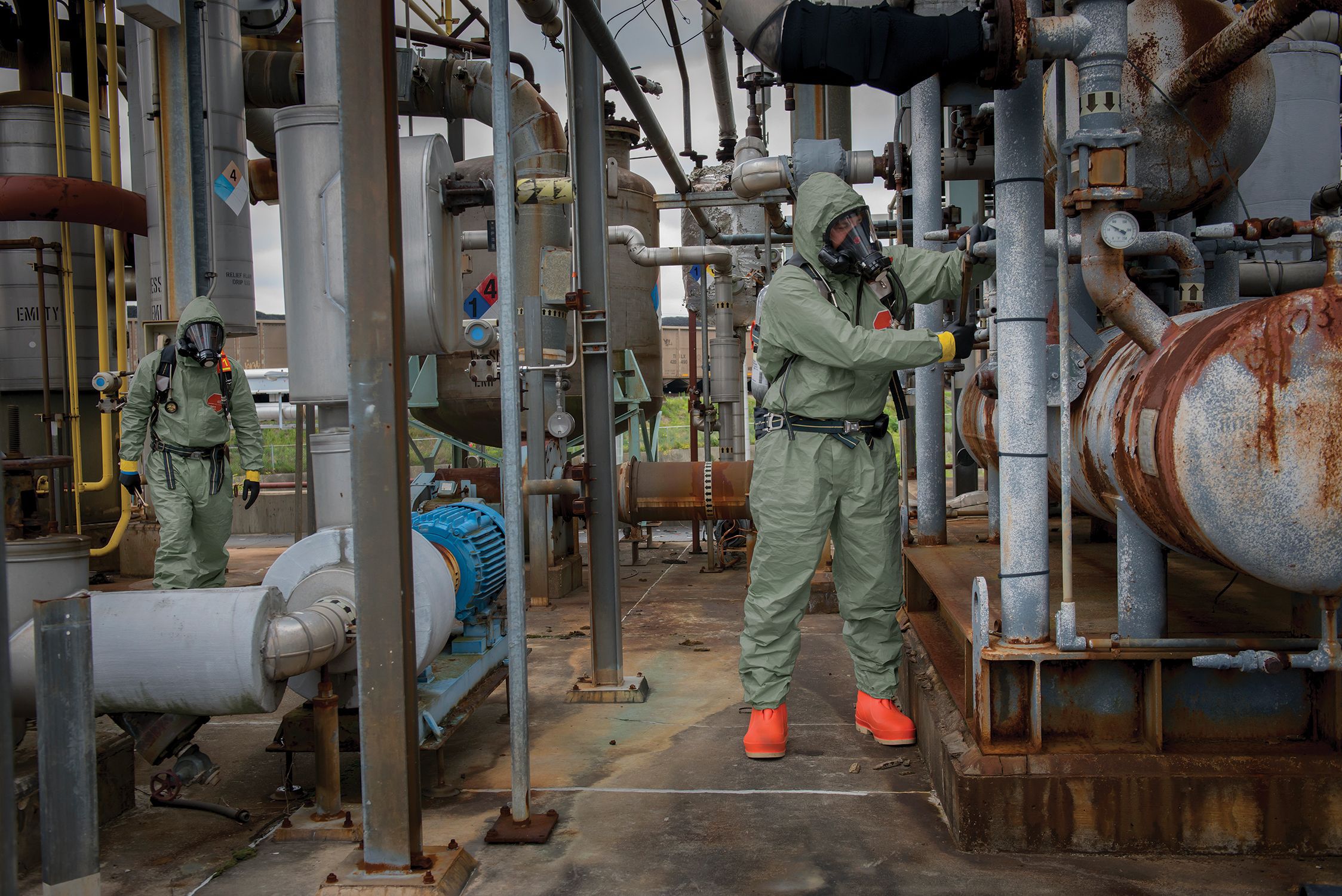
Tychem® 2000 SFR provides chemical and secondary flame protection in a lightweight garment. Tychem® 2000 SFR garments are intended to be worn over primary flame resistant garments. In the event that a flash fire occurs, they won't ignite and won't contribute to additional burn injury if appropriate flame-resistant personal protective equipment is worn beneath.
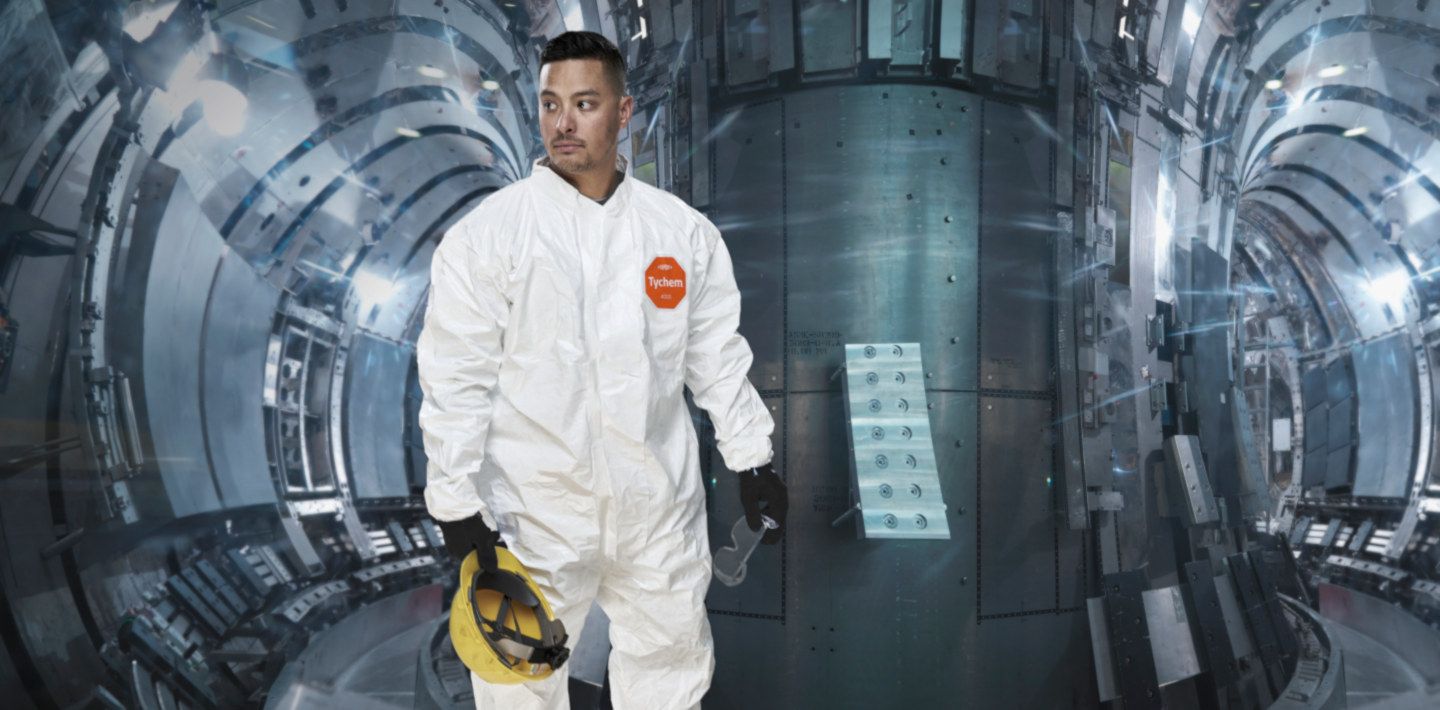
Tychem® 4000 utilizes a chemical barrier film laminated to a Tyvek® substrate to provide a rugged and durable fabric that resists abrasion. Tychem® 4000 fabric provides at least 30 minutes of protection against >124 chemical challenges. Typical applications: chemical mixing, hazardous remediation, emergency medical response, paint spraying, and nuclear environments.
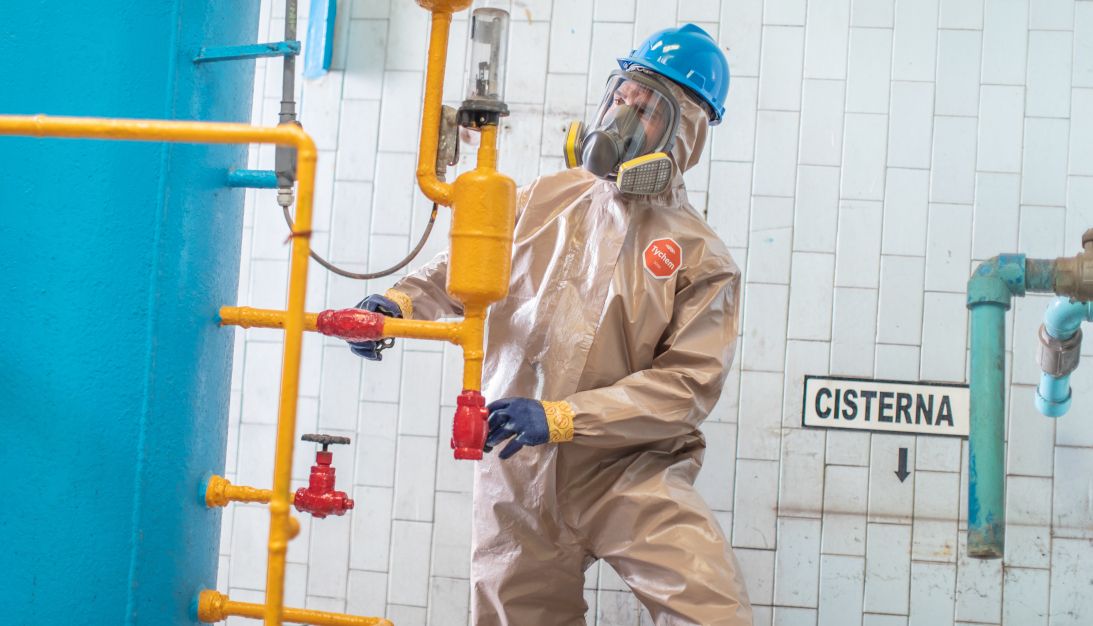
Tychem® 5000 fabric is strong and durable for rigorous activities and rugged situations involving liquid splash and provides barrier to a broad range of chemicals. Typical Applications: chemical handling, petro-chemical, hazardous materials/waste clean-up, fire departments, industrial hazmat teams, utilities, and domestic preparedness. Commonly used in domestic preparedness for situations where the potential to exposure to chemicals exist.
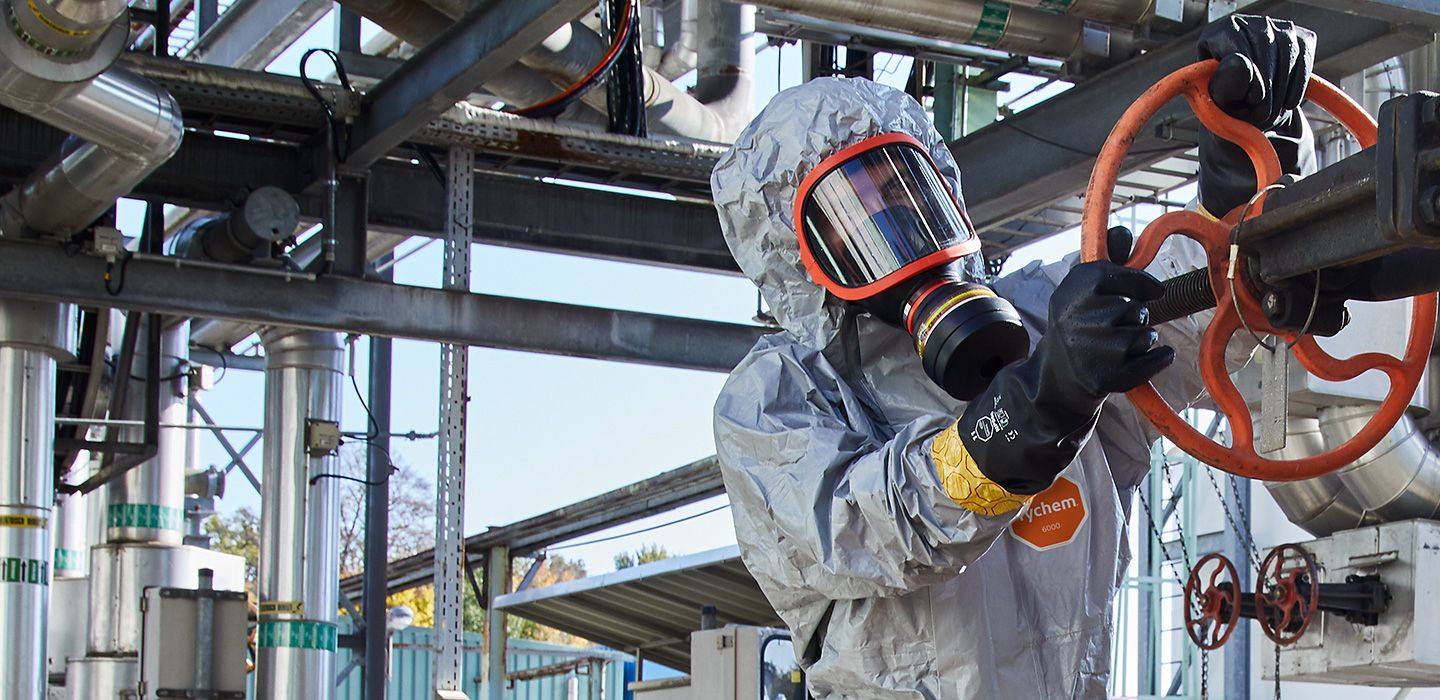
The fabric provides at least 30 minutes of protection against over 250 challenge chemicals including chemical warfare agents and toxic industrial chemicals. Tychem® 6000 garments are strong, durable and lightweight, and they are available in low-visibility gray fabric, making them a preferred choice for law enforcement, emergency medical services (EMS) technicians and military personnel.
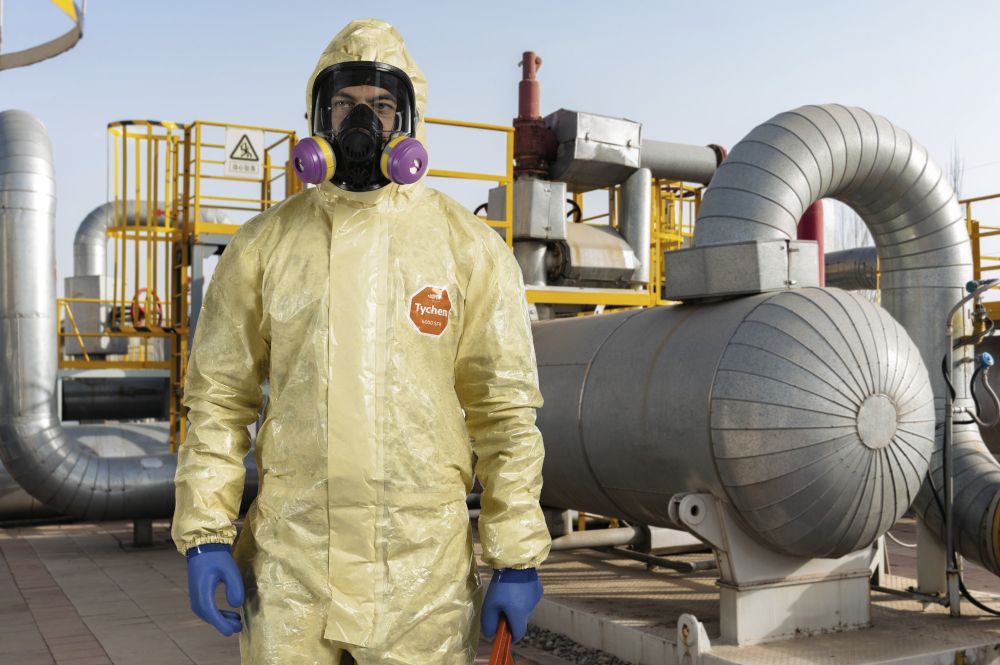
DuPont™ Tychem® 6000 SFR garments provide broad chemical protection and secondary flame resistance in a durable, lightweight garment for use in environments where chemical splash and flash fire hazards exist.

Typically functions as a connection between gloves and Tychem®, Tyvek® or ProShield® chemical protective garments. It can further be used to tape the hood to the mask, the ankles to the boots and the zipper flap.
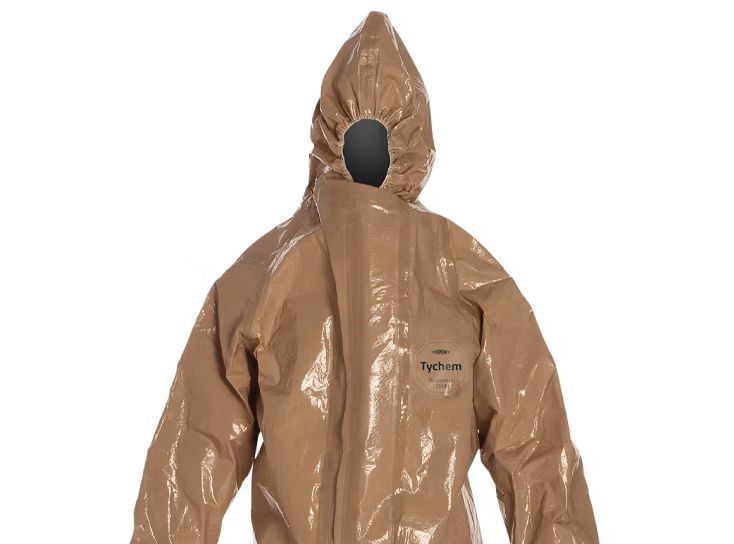
Each fabric lot is tested using live toxic agents plus one garment for each test fabric production run is also tested for seam barrier with live toxic agents. Desert tan color for low visibility applications.
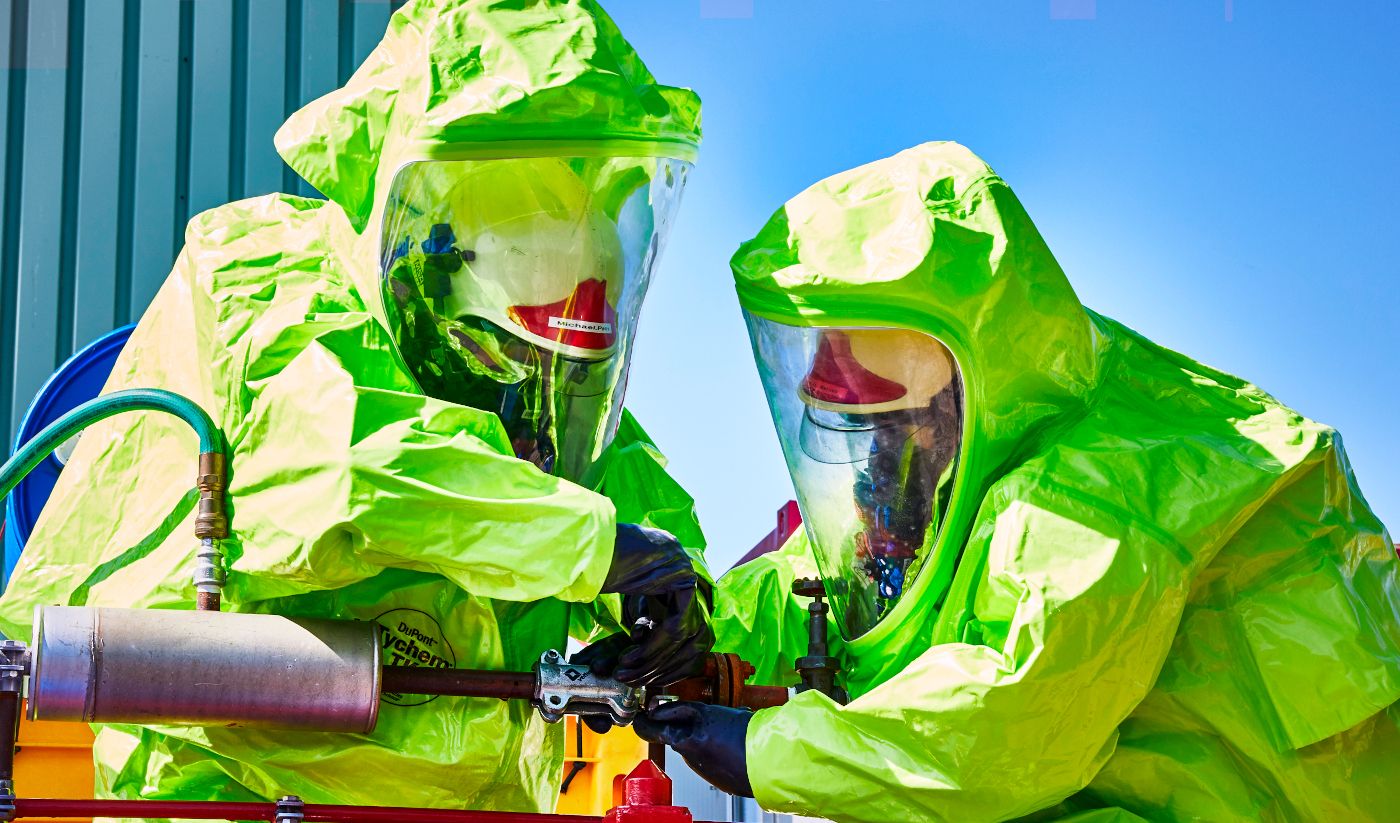
Tychem® 10000 is specifically developed for protection against toxic, corrosive gases, liquids and solid chemicals. This high-performance chemical barrier fabric is suited for industrial, HazMat, and domestic preparedness applications.


When it comes to chemical hazards, details are everything.
The trusted performance of DuPont™ Tychem® garments begins with our unique chemical barrier fabrics, which undergo testing by third-party labs. We have compiled a comprehensive database of chemical permeation results to support that Tychem® fabrics will stand up to hundreds of chemicals, ranging from toxic liquids and vapors to sarin and chlorine gas. This resource can be accessed on our website at safespec.dupont.com.
Garment construction is crucial as well. Secure seams and zippers; proper sizing; the fit and design of hoods and accessories; and even garment colors—all play a critical role in helping keep workers protected on the job. DuPont offers a wide variety of garment styles—from hoods and shoe covers to aprons, coveralls and fully encapsulated suits.
Fabric
The barrier fabrics and construction methods used in Tychem® garments help prevent penetration and permeation by chemical hazards. As permeation testing is the most sensitive measure, extensive permeation testing assures that every Tychem® garment provides the appropriate level of protection.
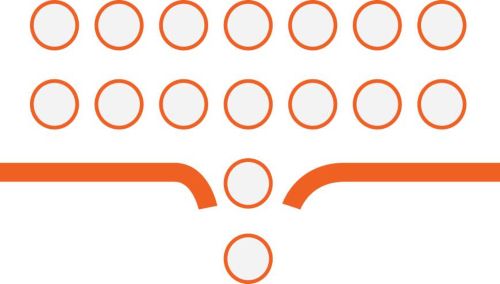
Penetration
Bulk movement of a material through a pore, gap or defect in the barrier fabric.
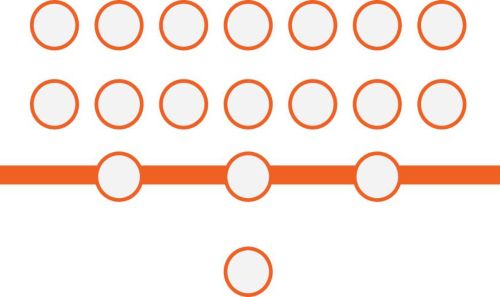
Permeation
Movement of a material through barrier fabric on a molecular level.
Seam Construction
Always select garments with strong, tight seams that are appropriately constructed for your application.
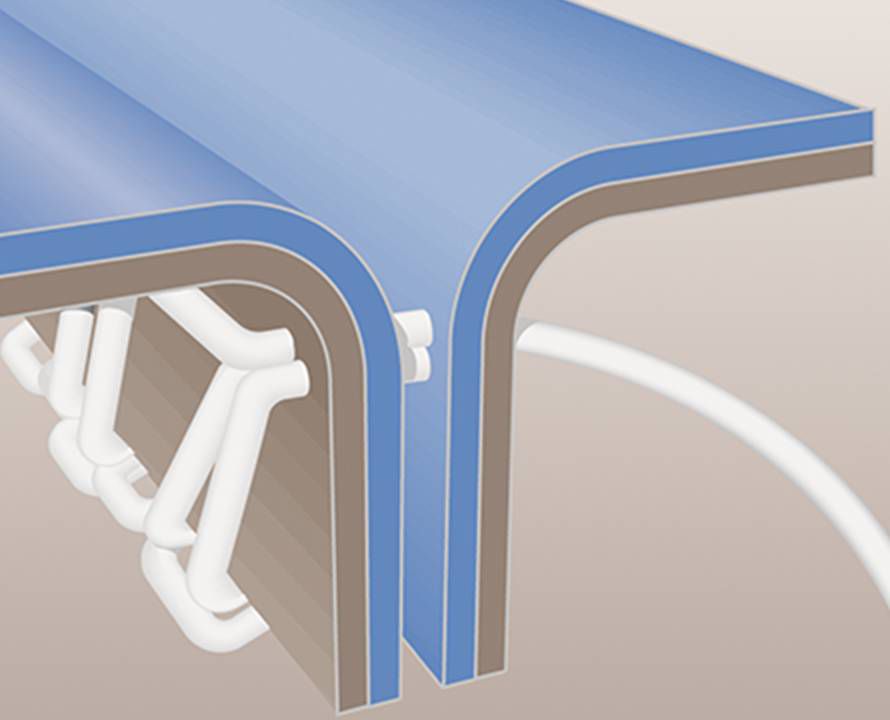
Serged or Sewn*
Threads interlock around the raw edges of two pieces of material. Strong and stress resistant.
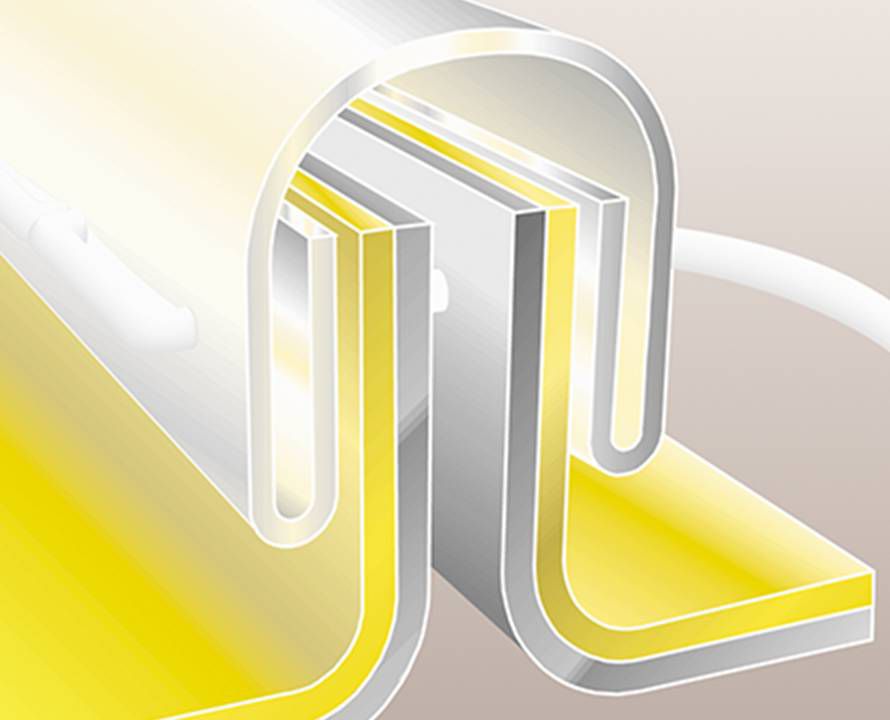
Bound
Tightly sewn with a reinforced outer binding. For potential misting exposure to non-hazardous liquids or particle penetration.
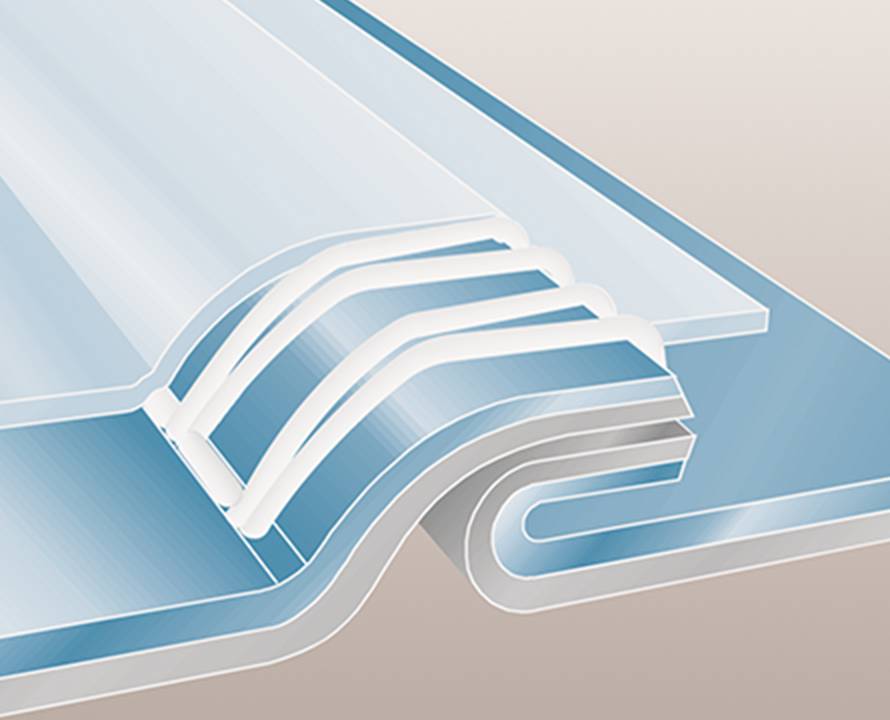
Taped
Sewn and taped to provide strong resistance to chemical splashes and physical stress.
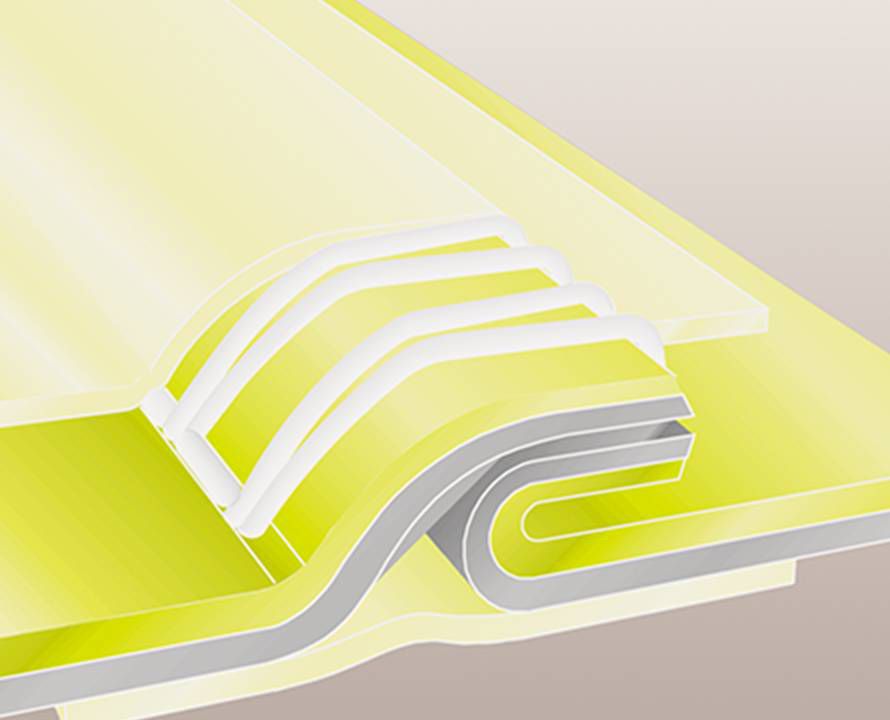
Double Taped
Sewn and taped on the inside and the outside for strong resistance to chemicals and physical stress.
*Serged and/or bound seams are degraded by some hazardous liquid chemicals, such as strong acids, and should not be worn when these chemicals are present.
GARMENT STYLE
DuPont offers a wide variety of garment styles, ranging from hoods and shoe covers to aprons, coveralls and fully encapsulated suits. Fully encapsulated suits are available with front or rear entry, with a flat back for airline accommodation or with an expanded back for SCBA accommodation.
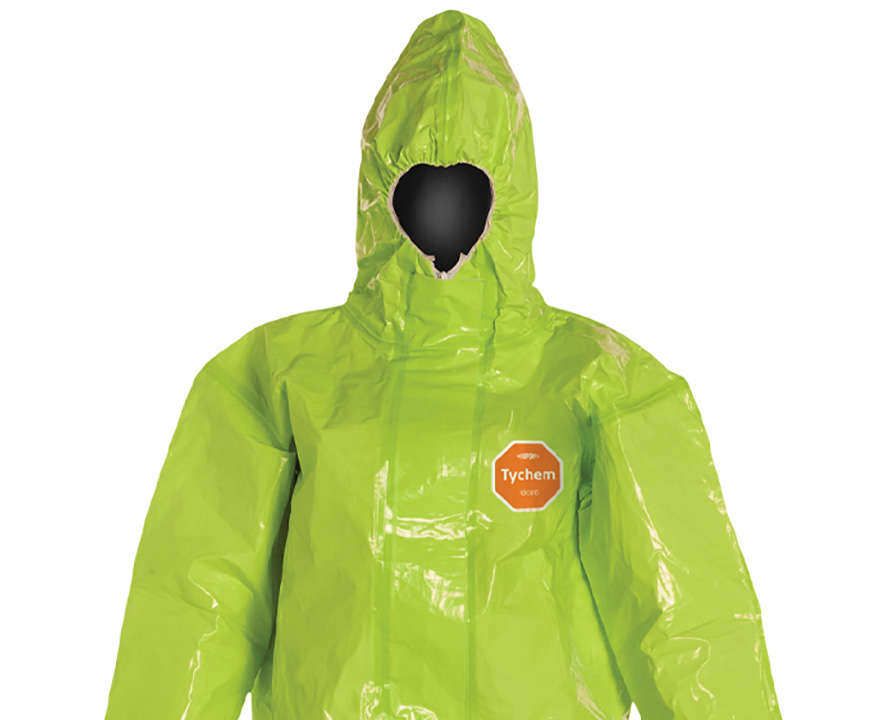
Respirator Fit Hood
Designed with a longer zipper for complete coverage of the neck area.
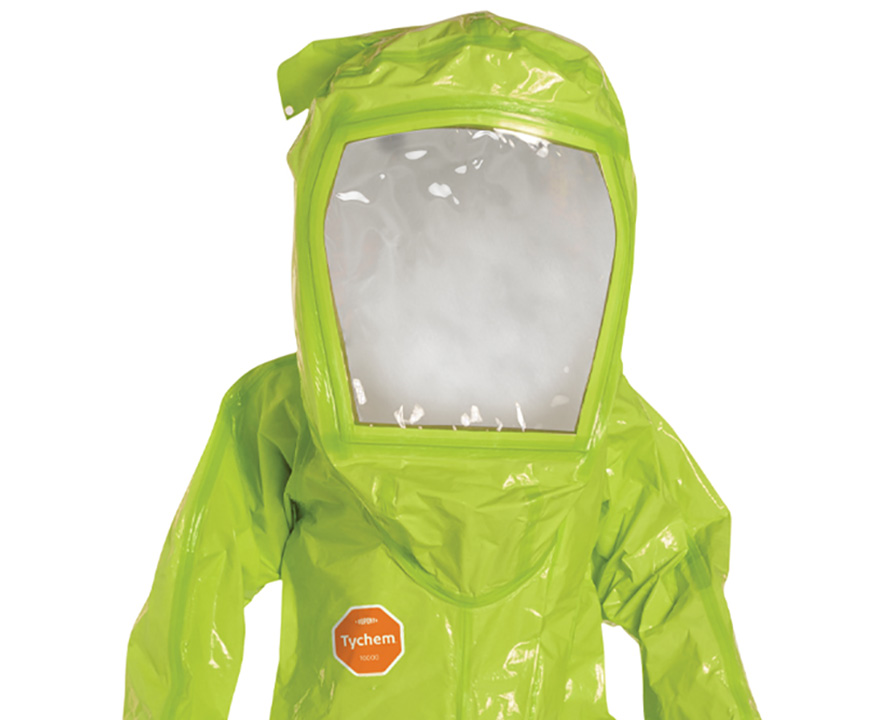
Standard Faceshield
Provides ample room for a mask-mounted regulator.
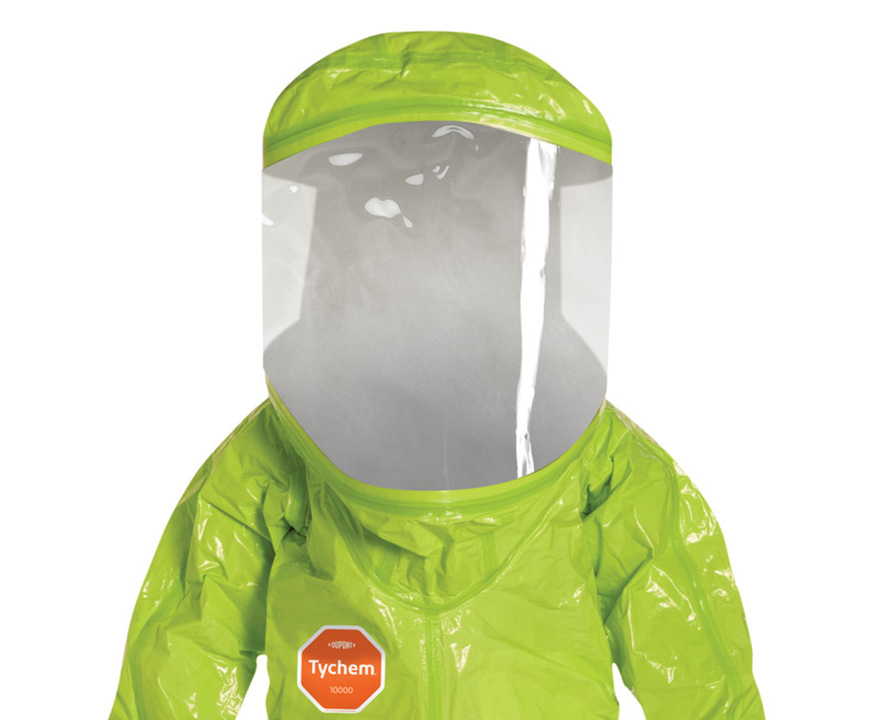
Extra Wide Faceshield
Wider and longer for expanded peripheral and vertical viewing.
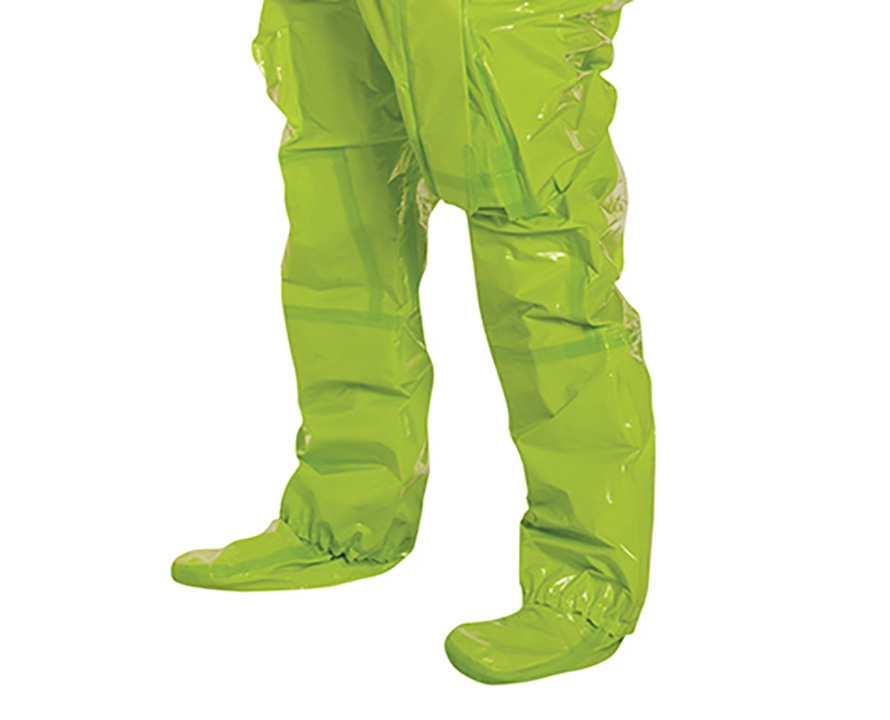
Attached Socks
Attached socks with outer boot flaps help prevent liquid pooling into chemical boots.