Building Confidence in Industrial Water Reuse: Why Real-World Performance Matters
Article
| Aug, 17 2026


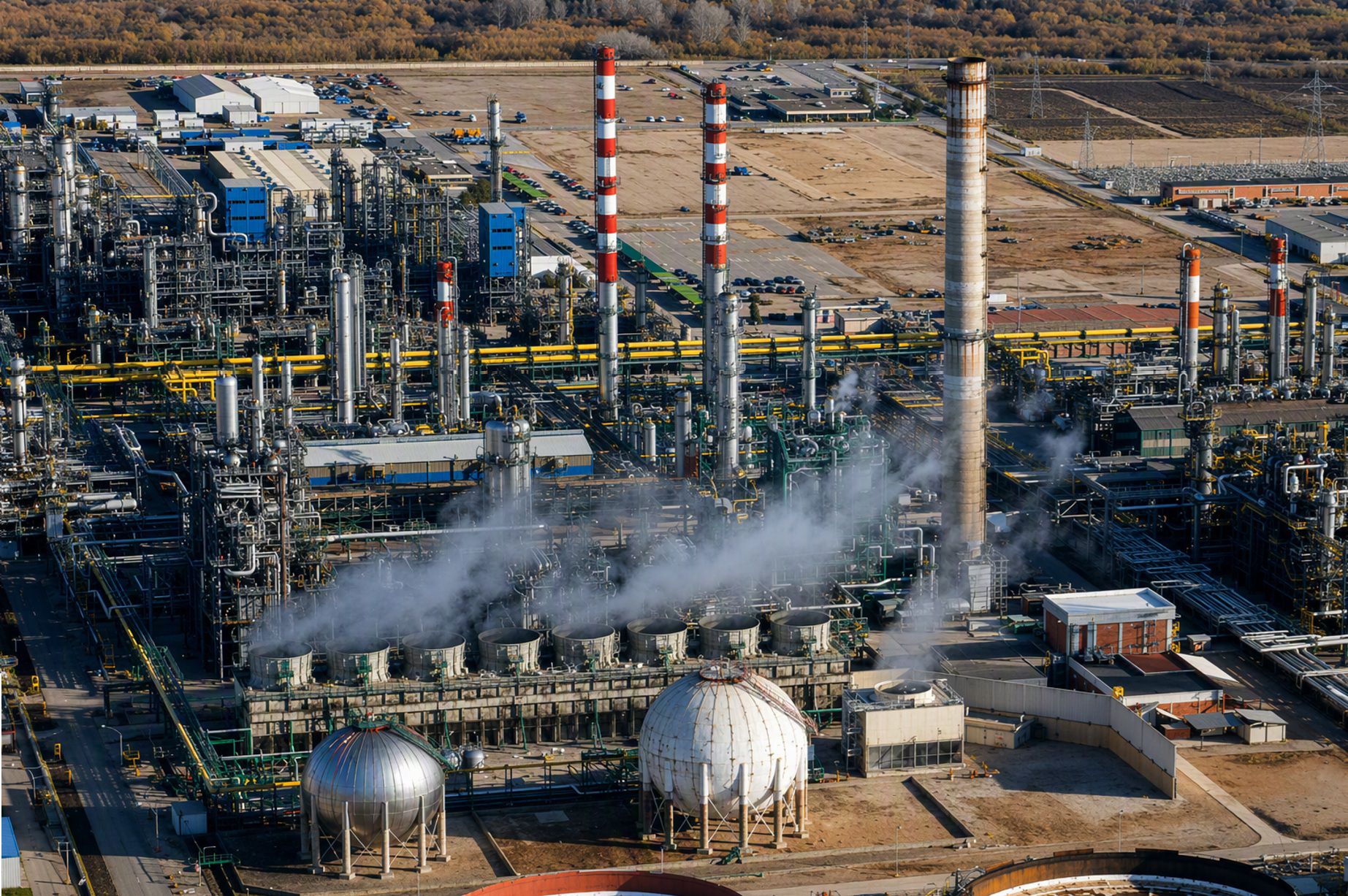
Industrial water reuse has long been recognized as a critical strategy for addressing water scarcity, strengthening operational resilience, and reducing environmental impact. The technology exists. The chemistry is understood. Yet many industrial water reuse projects continue to move forward more slowly than expected.
According to Guillem Gilabert-Oriol, R&D Technical Leader at DuPont Water Solutions, the primary challenge today is no longer proving that reuse is technically feasible. Instead, industry must address a different obstacle: confidence.
In a recently published article in Water Technology Magazine, Guillem examines why industrial operators remain cautious about integrating reclaimed municipal wastewater into critical industrial processes despite an expanding body of scientific evidence and successful pilot demonstrations.
Moving Beyond Pilot Projects
The water industry has generated an extensive collection of pilot-scale studies demonstrating the viability of municipal wastewater reuse. While these studies have helped validate water quality and treatment performance, they do not fully replicate the realities of operating a large industrial facility.
Operators must ensure reliability, maintain asset integrity, manage operational risks, and meet production targets every day. As a result, many decisions are driven by confidence in long-term operational performance rather than laboratory results alone.
Evidence from Tarragona
To help close this confidence gap, Guillem and his colleagues evaluated a full-scale industrial application in Tarragona, Spain, where reverse osmosis treated municipal wastewater was integrated into a petrochemical cooling tower system. The study demonstrated that reclaimed water could deliver meaningful sustainability benefits while maintaining safe and reliable operation.
The project increased cooling tower cycles of concentration from four to seven, reducing total make-up water demand by 22% and blowdown by 50%. Corrosion and microbiological control remained within accepted operating limits through continuous monitoring and optimized treatment programs.
The significance of these results extends beyond a single facility. They demonstrate that industrial water reuse can be successfully implemented at scale while protecting system performance and reliability.
Building Trust Through Data
One of the key messages from Guillem's work is that successful water reuse programs depend on operational excellence as much as treatment technology. Real-time monitoring, adaptive treatment strategies, data-driven decision-making, and phased implementation approaches give operators the confidence to adopt new water sources safely and effectively.
As water stress intensifies across many industrial regions, this combination of technology and operational confidence will become increasingly important.
By turning successful applications into shared industry knowledge, water leaders can help transform confidence into action and accelerate the transition toward more sustainable industrial water management.
Read the full article: Confidence — not technology — is limiting industrial reuse of municipal wastewater
Keep Exploring
Join our webinar
Register for the DuPont Water Academy webinar on pushing the limits of MLD with ultra-high brine concentration.