The peace of mind that comes from working with trusted partners
Ultrafiltration (UF) is a purification process that separates particulate matter from soluble compounds using an ultrafine membrane media. Ultrafiltration is an excellent separation technology for desalination pretreatment, reverse osmosis pretreatment, and wastewater reclamation, as well as for producing potable water.
DuPont offers an expansive UF product portfolio built on technology developed and refined over decades. DuPont™ IntegraTec™, Inge™, and MemCor™ UF modules represent over 90 years of collective water technology expertise.
Through our multi-element UF, submerged UF, pressurized UF, and UF module components, we deliver the solution you need where you need it.



A closer look
As with most conventional filtration methods, sand filters and media filtration require consistent raw water quality to deliver quality effluent, which is not always possible. They also don't provide an absolute barrier. Traditional media filters typically remove particles to down to about 5 microns.
Ultrafiltration (UF), however, does not suffer from those limitations. This technology uses an ultrafiltration membrane barrier to exclude particles 0.02 to 0.05 microns, including bacteria, viruses, and colloids, meeting increasingly stringent water-quality standards around the world, and providing a stable, reliable, and consistent water quality.
UF offers:
- High and consistent product quality measured by turbidity (NTU) or silt density index (SDI).
- Tolerance to feedwater quality upsets.
- Limited to no use of pretreatment chemicals (polymer, coagulant, pH adjustment) and associated costs for sludge disposal.
- Small footprint and less weight than media filters.
When used as a pretreatment for reverse osmosis (RO), UF also helps reduce fouling of the RO membranes, which can lead to:
- Reduced chemical cleaning frequency and consequently, lower operating costs and downtime.
- The potential to operate RO at higher flux, with fewer membranes and vessels — leading to lower capital cost for the RO system.
Rejecting particles, colloids, and macromolecules
In ultrafiltration, water and low-molecular-weight substances are passed through an ultrafine membrane fiber by the application of pressure or vacuum to the system; flow through the membrane is achieved by applying a pressure gradient between the outer and inner walls of the membrane structure. For pressurized UF, feed pressure is from 4 to 100 psig (typically < 30) and transmembrane pressure is generally <14 psig.
Ultrafiltration membranes have pore sizes in the range of 0.02 – 0.05 microns, which contributes to the production of high-quality water; the pore-size range means that the purification process is characterized by a high removal capability of bacteria, viruses, colloids, and silt.
Ultrafiltration membranes have a service life of three to seven years (and potentially longer). They are commercially available in hollow fiber, tubular, plate, and frame, as well as spiral wound configurations.
-
What Is UF?
As with most conventional filtration methods, sand filters and media filtration require consistent raw water quality to deliver quality effluent, which is not always possible. They also don't provide an absolute barrier. Traditional media filters typically remove particles to down to about 5 microns.
Ultrafiltration (UF), however, does not suffer from those limitations. This technology uses an ultrafiltration membrane barrier to exclude particles 0.02 to 0.05 microns, including bacteria, viruses, and colloids, meeting increasingly stringent water-quality standards around the world, and providing a stable, reliable, and consistent water quality.
UF offers:
- High and consistent product quality measured by turbidity (NTU) or silt density index (SDI).
- Tolerance to feedwater quality upsets.
- Limited to no use of pretreatment chemicals (polymer, coagulant, pH adjustment) and associated costs for sludge disposal.
- Small footprint and less weight than media filters.
When used as a pretreatment for reverse osmosis (RO), UF also helps reduce fouling of the RO membranes, which can lead to:
- Reduced chemical cleaning frequency and consequently, lower operating costs and downtime.
- The potential to operate RO at higher flux, with fewer membranes and vessels — leading to lower capital cost for the RO system.
-
UF Technology Basics
Rejecting particles, colloids, and macromolecules
In ultrafiltration, water and low-molecular-weight substances are passed through an ultrafine membrane fiber by the application of pressure or vacuum to the system; flow through the membrane is achieved by applying a pressure gradient between the outer and inner walls of the membrane structure. For pressurized UF, feed pressure is from 4 to 100 psig (typically < 30) and transmembrane pressure is generally <14 psig.
Ultrafiltration membranes have pore sizes in the range of 0.02 – 0.05 microns, which contributes to the production of high-quality water; the pore-size range means that the purification process is characterized by a high removal capability of bacteria, viruses, colloids, and silt.
Ultrafiltration membranes have a service life of three to seven years (and potentially longer). They are commercially available in hollow fiber, tubular, plate, and frame, as well as spiral wound configurations.
Why choose DuPont™ Ultrafiltration Solutions?
- Deep capabilities and advanced expertise
- Dedicated to customer success
- Proven capabilities to bring the solution you need where you need it
- Expertise beyond the product
- Solving various challenges with membrane excellence
- Reliable and durable range of module and rack configurations
- World class UF manufacturing and quality
Selected UF references around the globe
 Share
Share


Related industries
Our technologies provide premium solutions for a broad range of industries. Learn more about the industries that depend on ultrafiltration.
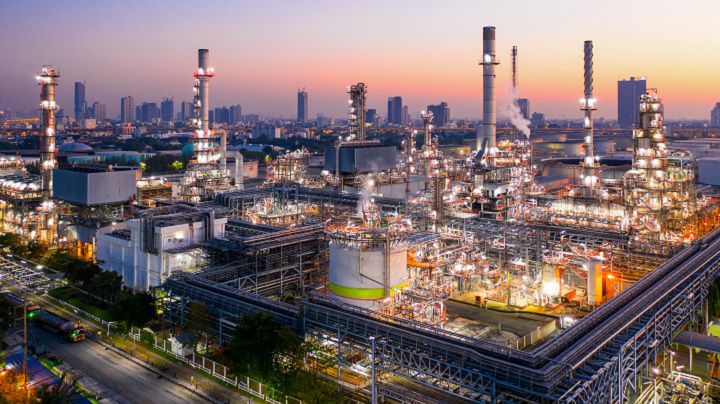
Our technologies and solutions are designed to help you overcome water challenges to produce your desired quantity and quality of industrial utility water.
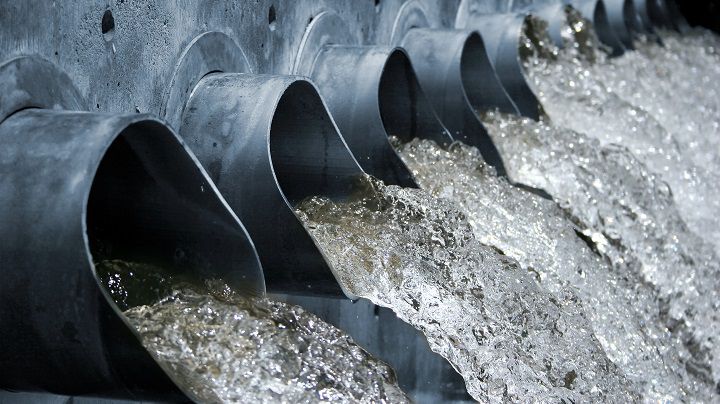
We develop best-in-class technologies, accompanied by an advanced product portfolio of solutions, to address your crucial wastewater challenges.
We offer a comprehensive DLE portfolio spanning pretreatment through polishing, integrating membranes, adsorbents, and ion exchange resins to optimize lithium yield and address complex brine challenges.

We help ensure a steady flow of clean, safe drinking water into local communities with our water-treatment solutions.
We provide high-quality and durable solutions to the seawater reverse osmosis (SWRO) system to last the lifecycle of operations.
We enable the production of some of today’s most popular technologies by facilitating ultrapure water and effective water reuse.
We help energy companies improve operational efficiency with specialized water treatment and wastewater reuse.

We help offices, schools, hospitals, hotels, and universities enhance their facilities with our water-treatment solutions.

We help improve the safety and quality of drinking water in homes with exceptional water treatment.


Related resources
See what’s possible
Let us help you choose the most suitable solution for your specific needs.